Showing posts with label Spring gardening. Show all posts

Sunday, 18 August 2013

Pockets of Happiness


There is a certain amount of smugness I have this evening as I type. I haven't got out of the habit yet of having a panic mid Sunday afternoon because I haven't done all the weekend jobs that I intended. Then I realise its ok because I don't have a job to turn up to now and my timetable is my own, so its perfectly OK to get that job finished on Monday. 

Today however, I got all of my tasks done. As much as it irks me to have to buy a garden mix to help top up the vegie beds, it's just not possible for me to make enough compost for 14 beds, plus all the fruit trees, and everything along the back fence. At least with the chooks I never have to get manure.  So today we got some top up mix, and I managed to get three large barrows of compost out, plus mucking out the chook shed - a very productive day in the garden - chooks helping by turning everything over and having a good time! It was warm and sunny for August, little pockets of happiness poking up all over the garden. The jonquils and snowdrops have been flowering for a few weeks now, the daffodils are beginning to open, and the broad beans are flowering already. Taking the hounds for a walk the bush is heady with wattle bursting out everywhere. This week the weather has lulled me into the false sense that Spring is already here, and some of the plants have been fooled as well. 


The apricot decided to burst into blossom early, ruining my intention to treat it with lime sulphur before bud burst. Lucky for me the peaches, cherries, apples, and roses haven't decided to poke their head out from under the doona yet and decide to get up for Spring, so those I did spray. If you have ever used lime sulphur you will know it stinks to high heaven like rotten eggs, so I tried spraying in the least breezy part of the day I could. I daresay if it doesn't succeed in keeping away the fungal diseases it may succeed in keeping away the brats that live next door. Hmm, I shall have to keep that in mind and spray along the fence where they tend to pop up and peer over. Nevertheless, despite my care (it is a dangerous substance after all) I am in need of a raspberry and vanilla scented bath to be rid of the smell. The beloved didn't realise what I was doing and thought the dogs had let off until I told him what it was! 


I also got some seed trays underway for those plants that aren't too keen on our low temperatures at higher altitudes. If you haven't thought about what you are planting for the warmer season you had better hurry up! Even if you don't need a sneaky head start in mid August like myself, many of the popular heirloom seed varieties are sold out by the end of September, so order them now! As always I used many of the Lost Seed varieties, supplemented with some heirloom varieties from Yates. The Beloved bought me a tin full of them last Christmas, so I gleefully rifled through them this morning, and suddenly realised somehow I had three packets of rocket from my combined seed hoard?!  I shall have to donate some to Mrs Bean, who has a fondness for rocket that is only surpassed by her love of freshly cracked black pepper...

Happy gardening!


Sunday, 7 October 2012

Vegan MoFo: How Does Your Garden Grow?


I thought this year I wouldn't post about cooking food on Sundays, but write about growing it! Since it's Spring for those of us in the Southern hemisphere, I'm pretty busy raising seedlings, thinning out, and re-potting but I do have the opportunity also to enjoy everything bursting into life. Our house is an old one, and our garden has a lot of old fashioned sorts of things in it. Beneath our espaliered apple tree are glodioli, and mint that pops up everywhere along the back fence. I don't mind it, but it must have escaped a long time ago, as it is very pungent, and every time Mr Sprout uses the whipper snipper you can smell it through the whole yard!


The japonica on the left has nearly finished it's display, but the pink and white rhododendron next to it has come out his week, and it happens to be my favourite out of the six or seven we have in the garden.


This year, there is quite a bit of blossom on both our cherry trees, and I'm hoping if I net them quickly enough we might just get a punnet or two of bright red fruit in November! Last year the birds got them...


These beds were all installed by Mr Sprout, and Mrs Sprout (that's me) plants them out every year. You can't quite see all of them but there are 12, plus the big one up top, plus a couple more elsewhere. I already have corn seedlings in the top bed, as well a spinach, kale, and volunteer potatoes cropping up.


This is one of my favourite nooks in the garden. Japanese maples, and azaleas, and something else with pretty pink and white blossom that I just can't remember what it is at the moment!


Romanesco broccoli seedlings have been planted with marigolds this year to break up an otherwise boring bed, and to repel some pests. Alas, they don't repel next door's cats, who think it's perfectly acceptable to toilet in my garden!


Shallots, celery, and heartsease, the pretty purple and yellow flowers pop up everywhere and I let it because it's such a cheerful little plant and the ladybugs seem to like it.


Tomato seedlings thinned out again, and here they will remain until they are mildly pot bound and ready to plant out. I have some early ones already in the beds, but will hold these  ones back probably until November when I know the last frost has been and gone. With any luck, Mr Sprout will have relocated the chickens by then, and their previous home will become my greenhouse. Hint hint Beloved... Tomatoes are a staple in our patch, and this year I hope to get a decent crop for bottling and drying. There is nothing like pulling out a jar of preserves, some dried beans, and herbs in the middle of winter for dinner, and knowing it all came from your own backyard. What do you plant?


Sunday, 2 September 2012

Here Comes the Sun


Spring has finally arrived in the Southern Hemisphere! Daffodils, jonquils, and snowdrops have appeared all over our garden, and I can see blossoms swelling ready to burst on the apple and peach trees. I am so glad that winter is over, and the weather has begun to warm up, as I can get out into the garden and begin sowing, planting, and growing delicious food again. We've had some lovely warm days in the last couple of weeks, although the nights have been very cold. Yesterday I got up and the water pipes had frozen overnight, so the Beloved decided the best method would be to get my kitchen blowtorch and thaw the pipe out LOL! It did work, but it just goes to show that tender seedlings can't be put out just yet...

I have been busy putting seed into punnets and thinning out seedlings already sprouted in my propagation units. The mini greenhouses have sat on the heat mats for two weeks and already I'm having success with some early tomatoes, eggplants, and luffa. All of these guys need a fairly long growing season, so starting them off indoors, and then thinning out into bigger pots will give me a great start. Eventually I'll be able to harden them off and put them out after the frosts have finished. 


Today I did round two, which was sowing tomatillos, pumpkins, melon, corn, and cucumbers, all which will go on the heat mats for a couple of weeks. If you live in a cooler climate, I highly recommend investing in one of these. Some people put seed trays on top of their water heater, which is fine if you have one inside, but ours is outdoors. Without the boost, I wouldn't get as many plants. I could buy some of course, but the heirloom varieties are pretty hard to come by as ready to plant seedlings.

If you haven't thought about the garden yet, get cracking! Leave it too late and all the good seed varieties will  have run out! Don't forget to check through last years seed packets and see what's left. Most of them will still be viable, but if you aren't sure, or you have a mixture of seeds and don't know what they are, get a tray full of seed raising mix, and sow some, watering well. See what pops up, and thin out as they get stronger. By the time the true leaves appear, you should be able to work out what plant is which, or at least which family they belong to, and plant out accordingly. You may not need to buy any new seed at all!

Happy Spring!


Friday, 28 October 2011

Spring Fever Garden


I've been spending the afternoon in the garden, weeding, thinning, mulching, tidying, inspecting... Life has been so busy the last few weeks I've barely been into the garden, and due to Spring Fever all the garden has  begun to jungle. Which means I have to get my ass into gear and tidy up before it gets out of hand.

Thinning Fruit....
My peaches have gone nuts. I have too many fruitlets and it is time for thinning. As you can see above I need to take out at least two (the smaller ones in the middle) to allow the other fruit to grow properly. If this is not done I will have very poor small fruit, and the tree will suffer as it sends all its energy into producing masses of tiny fruit. The same principle applies to all other fruit trees, so now is the time to thin, thin, thin out. 
No just fruit trees either. The carrots I have sown had their first thinning out today, and will have another one in a few weeks time, and I'll also have to thin out and transplant the lettuce I have sown between the rows of carrots.


Mulch, Mulch, Mulch...
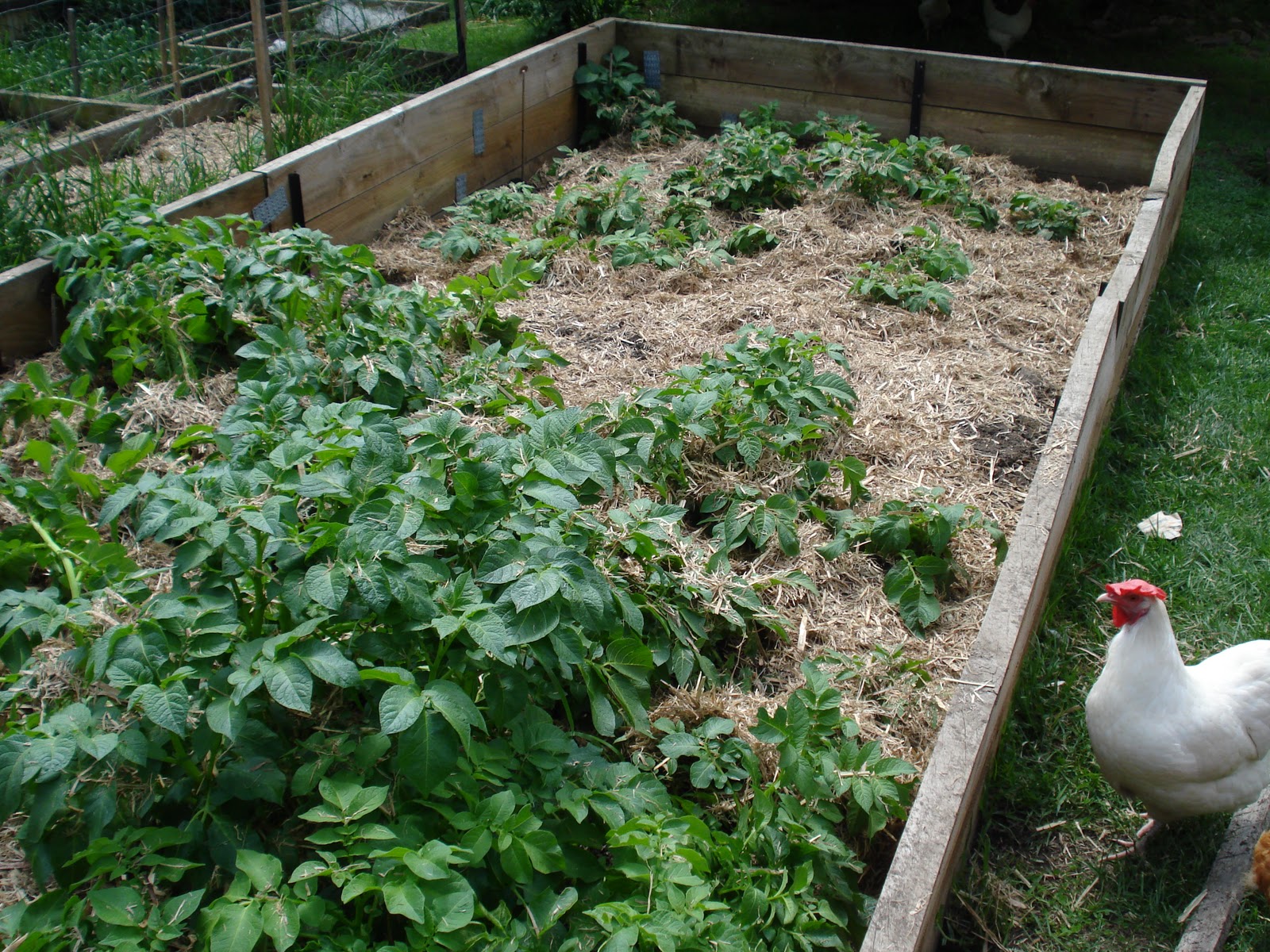
My early planted, coddled potatoes are paying off. The frost net has come off for good as Melbourne Cup Day is almost here and I use this as a reminder that frosts are now over. They are three times as large as those planted at the "recommended" time, and a spot check revealed potatoes are forming already. The soil has warmed up sufficiently to allow me to hill up and mulch around my plants - if this is done too early the soil stays too cold and the plants do not grow as well. 


My heart leaps at the sight of artichoke flowers popping up among their gorgeous silvery fronds. Of course, lots of people do not get excited about artichokes, but the best price I've seen is $2.00 a flower - mine are for free! In a couple of weeks stuffed artichokes will undoubtedly be on the menu...I'm salivating thinking about the hearts drenched in garlic olive oil...


The strawberries also needed mulching, as my early plantings have already begun to fruit. The sugar cane mulch will keep the fruit clean and dry to prevent rot. I'll also have to net for birds before they begin to have a smidge of pink.


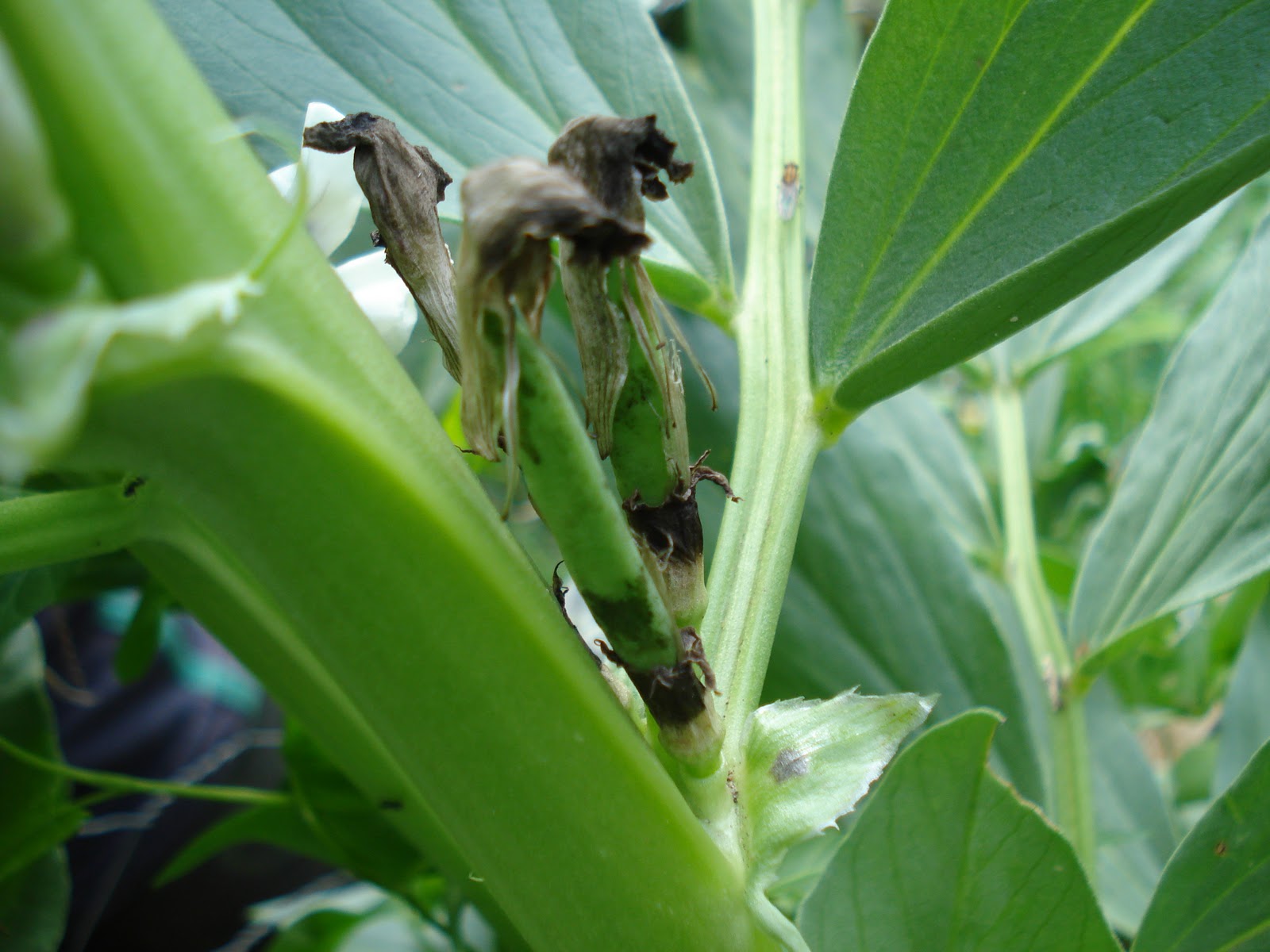
 Broad beans! How do I love thee, let me count the ways... Broad beans in lemon and cumin dressing, with new potatoes, broad bean pesto, tiny whole beans in stir frys...dried for winter stews... Ok, I'm a little excited about broad beans, but they are so easy to grow in the mountains, and produce so abundantly how could I not love them. They taste amazing straight out of the garden, so I'm also salivating about those...

Saturday, 27 August 2011

Spring Planting: Potatoes

Spring is almost here! I can smell it in the air, the jonquils and daffodils are bursting into flower and their delicate perfume is wafting over various parts of our garden. So it's time to plant some spuds. Well, more spuds, because I was a bit sneaky and jumped the gun a bit two weeks ago and planted the first lot under a blanket of frost netting to get an early start. I'll be bandicooting potatoes by Christmas, and my mouth is watering at the thought of baby new potatoes with fresh herbs from the garden smothered in butter and salt and pepper...mmmm. they are easy to grow and produce prolifically - I got about 5kg of spuds from each seed potato last year, and there are lots of varieties to choose from. We have just run out of the ones I stored over winter,so from early harvesting in December through to the end of August we didn't have to buy a potato- saved a few $$ there! So how do you go about planting them?

Well drained rich soil is a must. If the soil is too wet, the potatoes will rot and /or develop diseases which give ghastly skin or rotten cores. A raised bed, or large container is the best idea, as drainage is not an issue and you can easily build up the soil. I've seen potatoes grown in old tyres, tried it myself in chicken wire and newspaper towers (as below), and even straw bales. The trick is to keep building up the soil level as the plant grows, and make sure that the developing tubers are well covered, or they will go green. Green potatoes are toxic and should not be eaten. So wherever you plant them, make sure you have enough room to biuld up, and the plants have room to spread out as the tubers develop. Think containers like half wine barrels, old bathtubs etc...


If you are planting into the ground ,the first step is to make sure the soil is loose and friable. Use a hoe and get rid of any weeds - I'm lucky because my chookies have been digging over my potato bed for the last month and have eradicated weeds completely. If you're like me and sensibly ordered them weeks ago, they should have arrived by now, and they should have greened up and begun to sprout if you have left them in a well lit area ( Don't put in direct sunlight or the tubers will 'burn.' You don't need them sprouted as much as the ones pictured below, but at least 1cm is good.


Dig a trench and place tubers with the "eyes" up approximately 30-40cm apart as pictured below. I plant mine at least 10 cm deep. As the plant grows you will hill up more soil around the main stem of the plant which will in turn produce more tubers. you will then end up with trenches between the hilled up plants, which assist with drainage. 

By October my plants will look something like this, but being in the mountains I will still need to cover them at night for frost until early November. (You shouldn't get cats sprouting from yours by the way lol). In Spring the plants put a lot of effort into growth, and need good soil, well rotted manure, and compost. When Murray mows the lawn I throw the clippings over the top to help hill up around the plants, and also water with Seasol once a fortnight until December. When summer comes, don't let the soil dry out. A good mulch will help keep the soil moist, and once the potatoes have bushed out water loss will be minimal as they cover the ground really well. If you push your finger into the soil, the soil particles should stick together, but still be a bit crumbly.


By December the plants will be well established and look like this. You will then be able to gently dig down and "bandicoot" that is, steal early spuds for Christmas lunch. The others left behind will have more room to grow and thus you will get bigger tubers for storing later on. So go and get started!


Saturday, 13 August 2011

Spring Is Just Around The Corner!


Yep, like many gardeners out there I'm getting excited for Spring! So, with my garden plan done, and seeds arrived, I'm beginning to sow indoors in trays for an early start. First off the list is tomatoes, which need a bit of extra help in my mountain climate to get going early enough to fruit and ripen before autumn ends next year. I'm beginning to salivate just thinking about fat juicy sun kissed tomatoes straight from the garden and into a salad - not those horrible hard things that barley pass for a flavour in the shops. If you haven't ever had a home grown tomato you MUST try them! This may turn you into a tomato snob, but who cares?! They are easy to grow,  and at $7.00kg+ for decent truss tomatoes or more for organic, it is insane not to grow them if you have a bit of space or a big pot. I'm having two plots dedicated to the love apple this year, with plans to bottle and preserve excess for winter use....but I'm jumping the gun a bit here.
Volunteer tomato plants pop up everywhere in my garden, as I'm sure happens in lots of gardens. But since different varieties cross pollinate so readily, it is best to grow from seed if you want true to type. I'm dedicated to four varieties this year, Black Krim, Yellow Perfection, Roma, and Green Zebra. The best way to start tomatoes is by sprinkling them in trays of damp seed raising mix (as above) in a warm place, and when they are big enough about a week after germination, prick the best ones out into groups of two or three into bigger pots. It's time consuming to fiddle with tiny seed in small pots - much easier to put in strong seedlings. The only danger is, don't leave too long before pricking out as the seedlings will become too long and straggly as they fight for light, and they will be useless and fail to thrive, and don't over water as they will rot and kill the thin stems. I have a heating unit specifically designed for propagating trays, and this is the quickest way for me to start my seedlings.


The best piece of advice I have ever heard about raising your own tomatoes is from gardening guru Peter Cundall. He recommends "starving" young tomato plants by putting them into smaller containers, where the young plant quickly depletes the nutrients and becomes a bit pot bound. This causes the plants to react as if they will die, which means they put all their energy into producing flowers much earlier, and less foliage. By the time you have planted them out and they have room to spread out in rich soil it is impossible to reverse early  flowering! Neat huh?! And it works. I'll put more posts on tomatoes as my plants progress, but in the meantime, happy sowing!